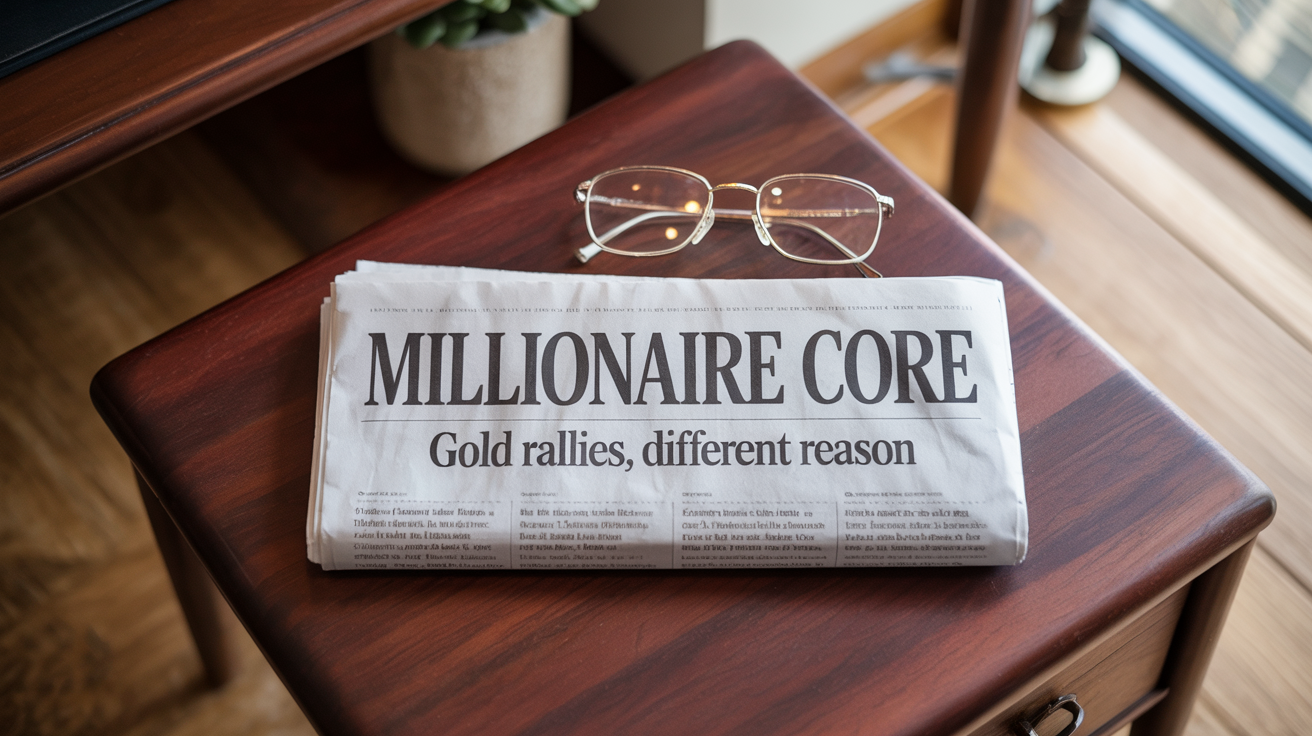
Gold is climbing toward $4,300 an ounce, up nearly 6% in a single week and rising for four straight sessions. A couple weeks ago, a similar move above $4,100 was being driven by safe-haven fear over conflict in the Middle East. This rally is happening for close to the opposite reason, and that distinction actually matters for what it's telling you.
From Fear Trade to Relief Trade
A deal to partially reopen the Strait of Hormuz pushed oil prices lower this week, easing the same energy-driven inflation fears that had kept the Federal Reserve on edge. Instead of investors buying gold to hide from risk, they're buying it because a cooler inflation outlook raises the odds that the Fed avoids additional tightening. Silver moved with it, trading near $61.65 an ounce and drawing some forecasts as high as $80 by year end.
Why a Fed Pause Helps Gold Too
Gold usually struggles when interest rates are expected to stay high, since it pays no yield of its own and competes directly with bonds and savings accounts. When the odds shift toward the Fed holding steady or even easing, gold becomes relatively more attractive again. That is a very different setup than a pure panic rally, and it explains why mining stocks, which had been stuck in a technical bear market, are showing early signs of a possible bounce.
Two Rallies, Same Price, Different Message
The gap between these two moves is the real story. A gold rally built on fear tells you markets are worried about instability. A gold rally built on rate relief tells you markets are getting more comfortable with the inflation and policy outlook. Both can push the price to a similar level, but they are not the same signal, and mixing them up leads to the wrong read on what's actually happening beneath the surface.
Final Take
If you own gold or are thinking about it, this week's move is worth understanding on its own terms rather than as a repeat of the fear-driven rally from a few weeks back. A calmer, rate-driven gold rally is generally a healthier sign for markets overall, even if the number on the chart looks similar to a moment when everyone was bracing for the opposite outcome.
Written by Deniss Slinkins
Millionaire Core