
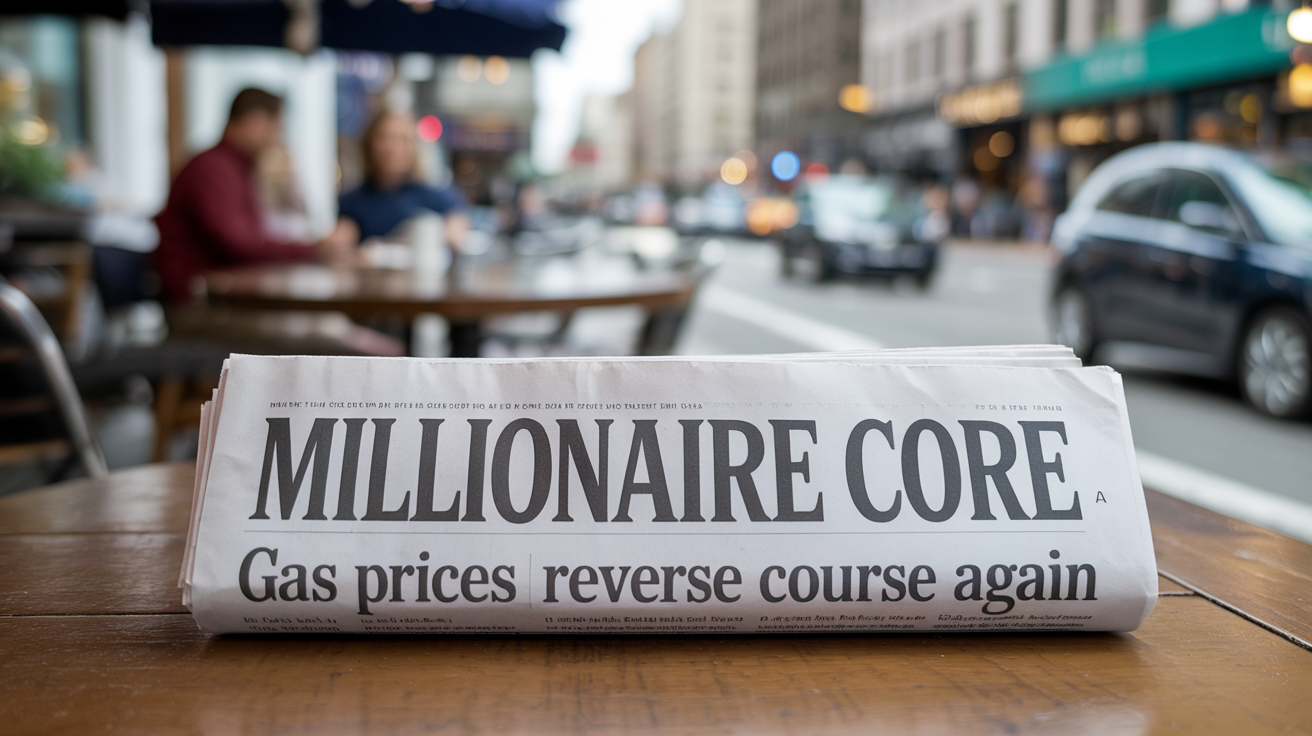
A few weeks ago, a ceasefire between the US and Iran looked like it might finally give drivers a break at the pump. Oil supply through the Strait of Hormuz rebounded, gas prices eased off their spring highs, and the worst-case scenario for energy markets seemed to be off the table. Then both sides accused each other of violating the deal, and the relief started unwinding almost as fast as it arrived.
A Short-Lived Calm
The reprieve was real while it lasted. After a ceasefire agreement in June, global oil supply rebounded by more than four million barrels a day as shipping through the Strait resumed. Gasoline prices, which had spiked above $4.50 a gallon in the spring, drifted back down toward the high $3 range. That is the kind of move that normally shows up in a household budget within days.
The Reversal Nobody Priced In
The calm did not hold. Renewed accusations of ceasefire violations, along with ongoing Israeli operations against Hezbollah in Lebanon that Iran says fall under the same agreement, have put the Strait of Hormuz back in play as a flashpoint. Oil markets responded the way they always do to Hormuz risk: prices climbed back up, and gasoline futures followed. The national average for regular gasoline has been ticking back above the high $3 range, erasing a meaningful chunk of the relief drivers had just started to feel.
Why a Shipping Lane Controls Your Gas Bill
The Strait of Hormuz carries a huge share of the world's seaborne oil, which is why even the threat of disruption there moves prices faster than almost any other geopolitical trigger. Investors do not wait for tankers to actually stop moving. The moment the ceasefire looked fragile, energy traders priced in the risk of another shock, and that repricing shows up at your local gas station within a week or two, regardless of whether a single barrel actually gets delayed.
Final Take
Ceasefires make for good headlines, but they do not lock in savings the way a permanent resolution would. What happened here is a preview of how energy prices are likely to behave for a while: calm when the diplomacy looks stable, and back up again the moment it doesn't. If you were planning your budget around gas staying near its recent lows, it is worth building in some room for it to climb back toward $4 a gallon if the situation in the Gulf stays this unsettled.
Written by Deniss Slinkins
Millionaire Core